French Roadtrip Part 4 – Loire Valley Chateaux

Driving back across the Pont de L’ile de Re we waved goodbye to  4 magical days on the Isle promising to return again soon to explore more of its beautiful countryside, culture, beaches and villages. It certainly hasn’t seen the last of us, but for this trip it was now time to move on to our next destination. The Loire Valley and visiting its Chateaux were next on our plans.

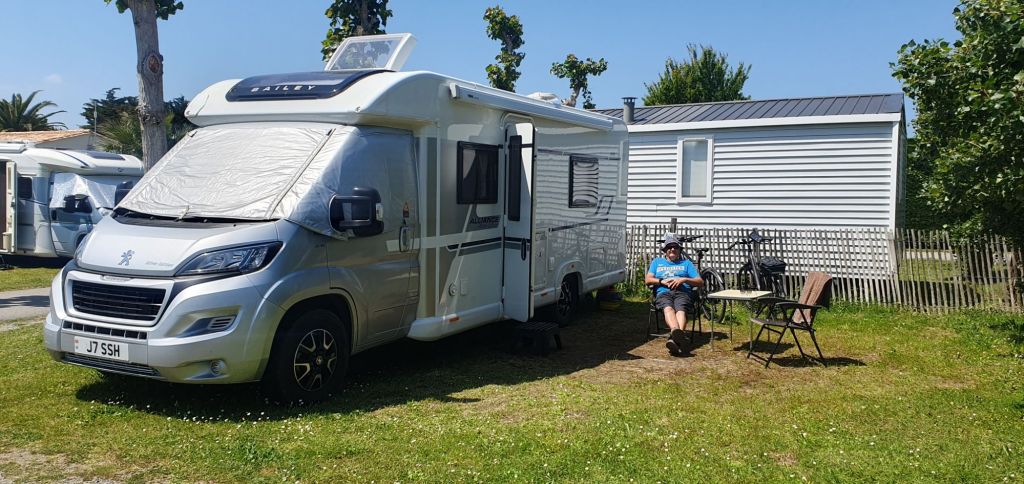
The Autoroutes were once again kind to us navigating around La Rochelle and heading North East towards Tours, within a couple of hours the scenery was changing and we were seeing signs for Chateaux. Our Campsite for 2 nights was Camping Le Moulin Fort a CAMC recommended site located alongside Le Cher river at Francueil.

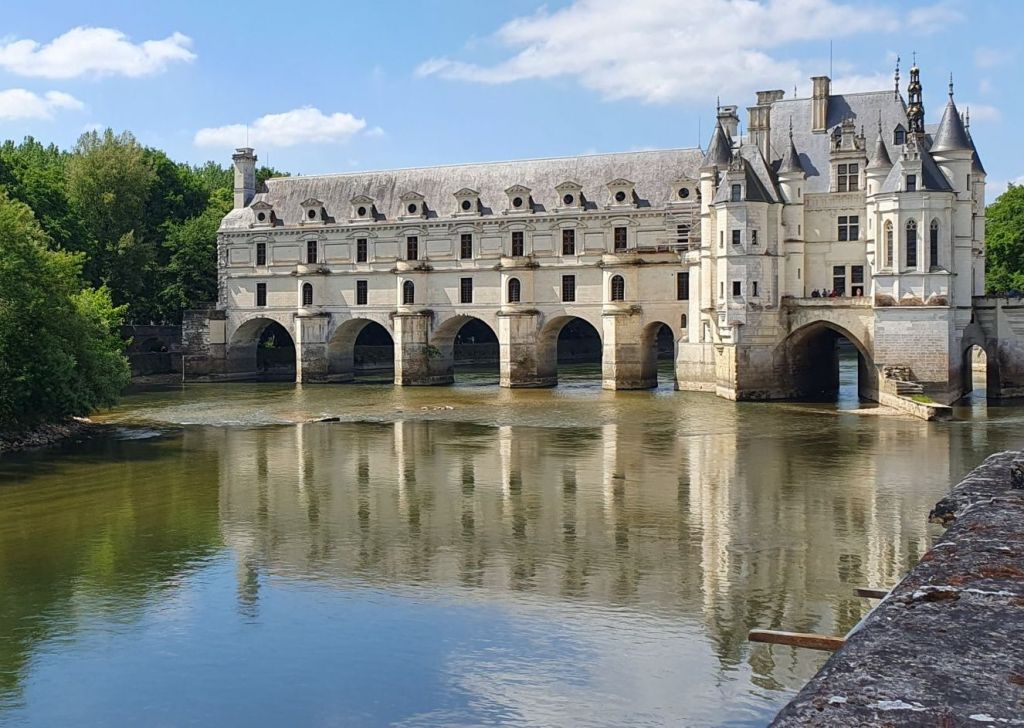
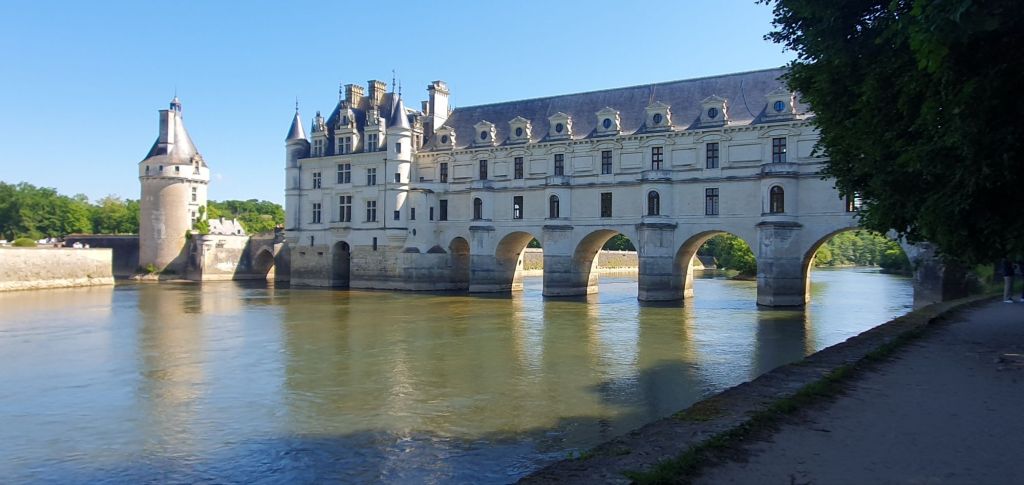
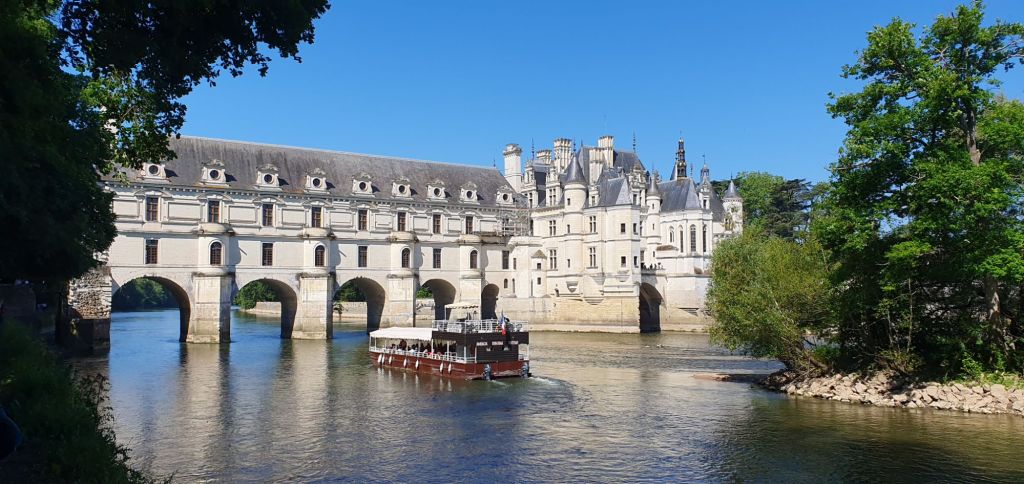
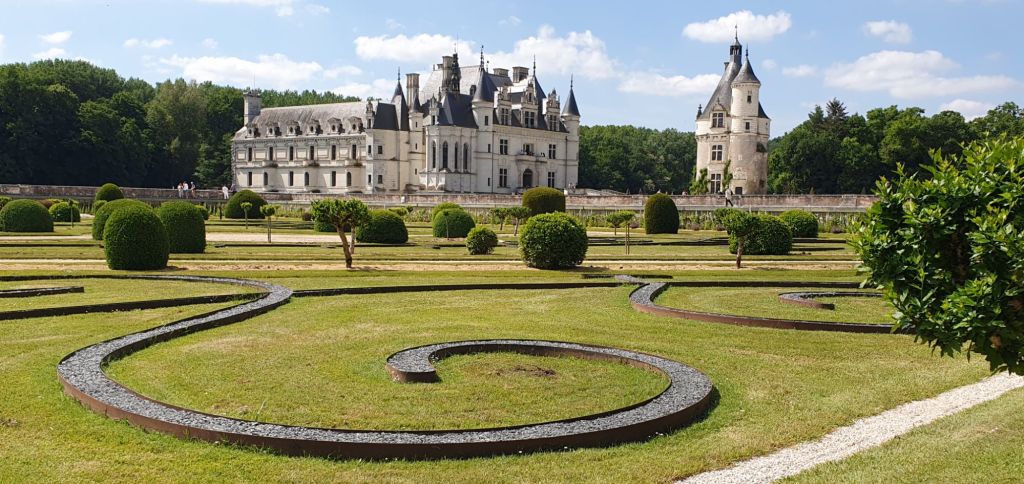
The site was in a superb location being only 10 minutes cycle ride to Chateau de Chenonceau which had been a must see on my bucket list for years. A dream of mine as an avid photographer being to capture the arches spanning the river.

We soon settled on our allocated pitch which was large and flat with just the right amount of tree shade to enjoy dappled sunlight for most of the day. It was a bonus when our neighbours arrived back who were English and had been coming to this site for the last 30 years so knew all there was to know about the area. The rest of the day was spent enjoying their lovely company and partaking of some very lovely wine.

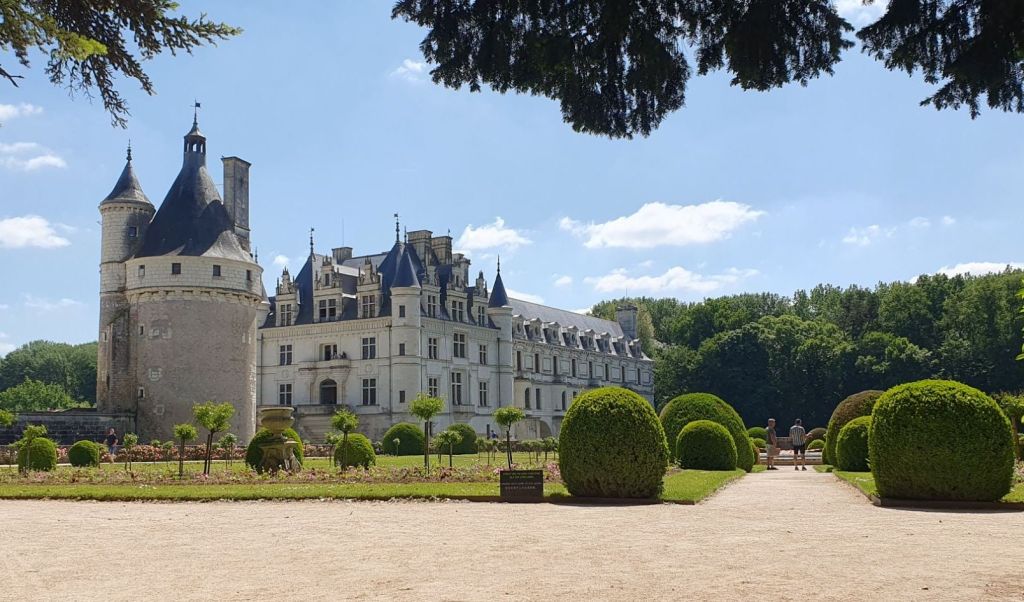
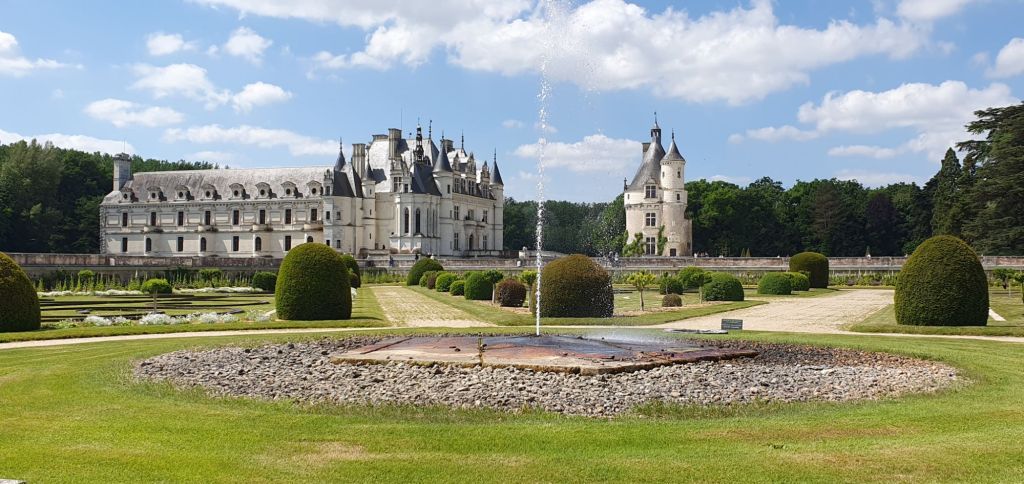
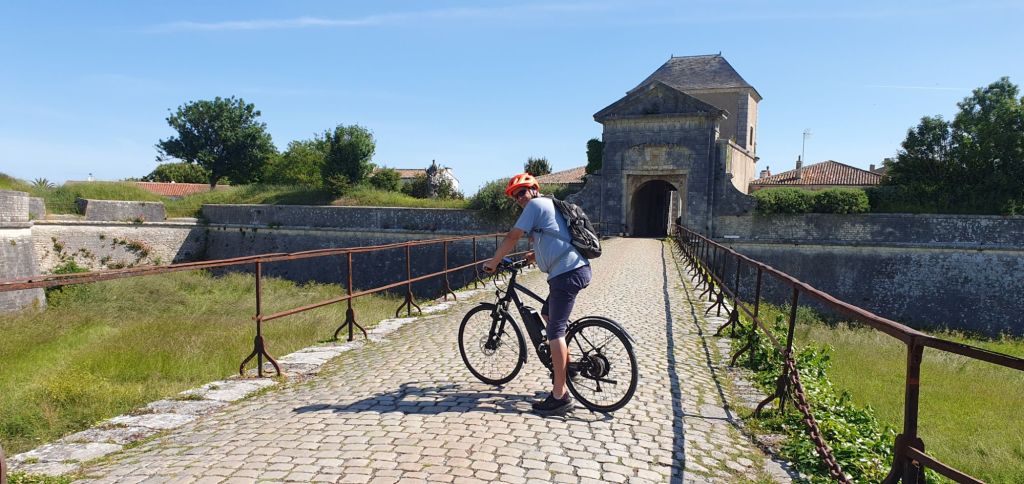
The following day we offloaded the bikes from the motorhome and pedalled the short distance alongside the river to Chenonceau. Being a Sunday we hoped that it wasn’t going to be too overcrowded but despite the many coaches in the capark it was surprisingly crowd free. The grounds and Chateau are so vast there was plenty of room for all. The avenue of tall plane trees leading to the Chateau set the scene for a view on a grand scale. Emerging from under their shade we were met with a fairytale scene of towers, turrets and balconies, their white stone facades blindingly bright against the brilliant blue sky. I was in photo heaven.

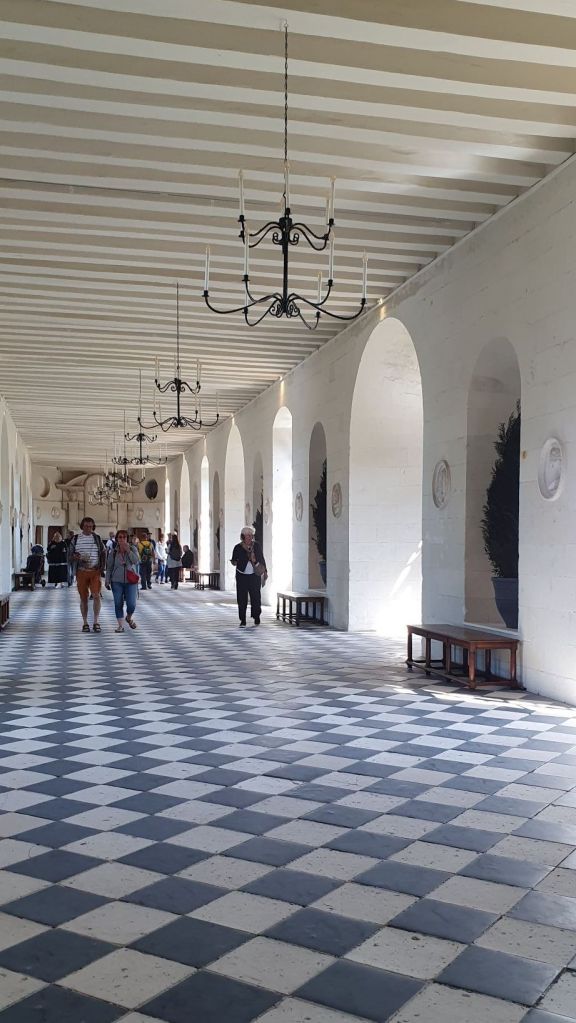
The Chateau was built in the 16th century on the former site of a fortified castle and mill owned by the Marques family. Only the keep- The Marquess Tower- was left standing which they restored in Renaissance style. Chenonceau is known as the Ladies’ Chateau as throughout its history females have played the most prominent role in restoring and embellishing the complex and its gardens. One such lady was Diane de Poitiers, being King Henry II favourite lady and who he gave Chenonceau to in 1547. She commissioned the famous arched bridge over the River Cher making the architecture of Chenonceau unique in the world. Then lo and behold Catherine de Medici- who was King Henry II widow, exchanged Chaumont-sur-Loire with Diane for Chenonceau and had a gallery built on top of the bridge to be used as a Ballroom. It is 60m long and has 18 windows. During the second World War the River Cher was the line of demarcation between occupied and unoccupied zones. The main entrance to the Chateau was on the right bank in the occupied zone and the South door of the Gallery gave access to the left bank so making it possible for the Resistance to pass many numbers of people through it and into the free zone.
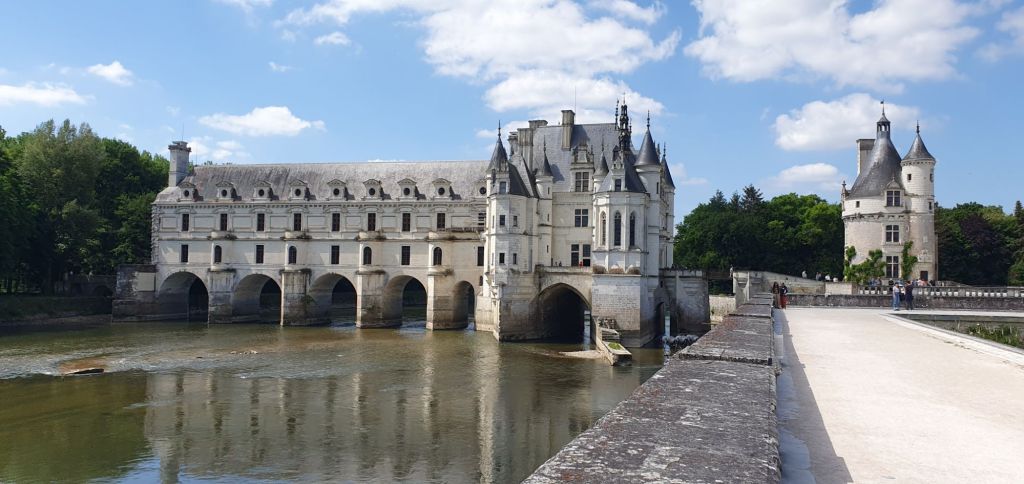
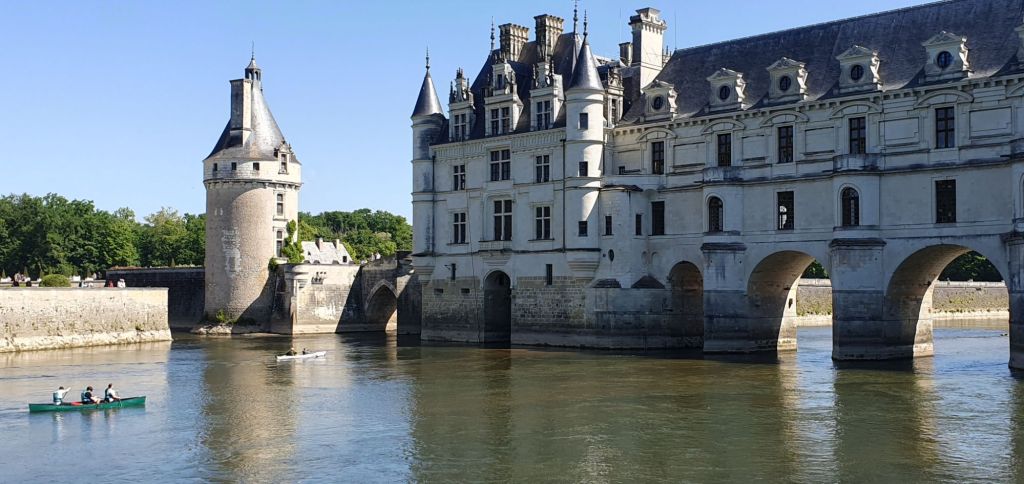
The Gallery Ballroom

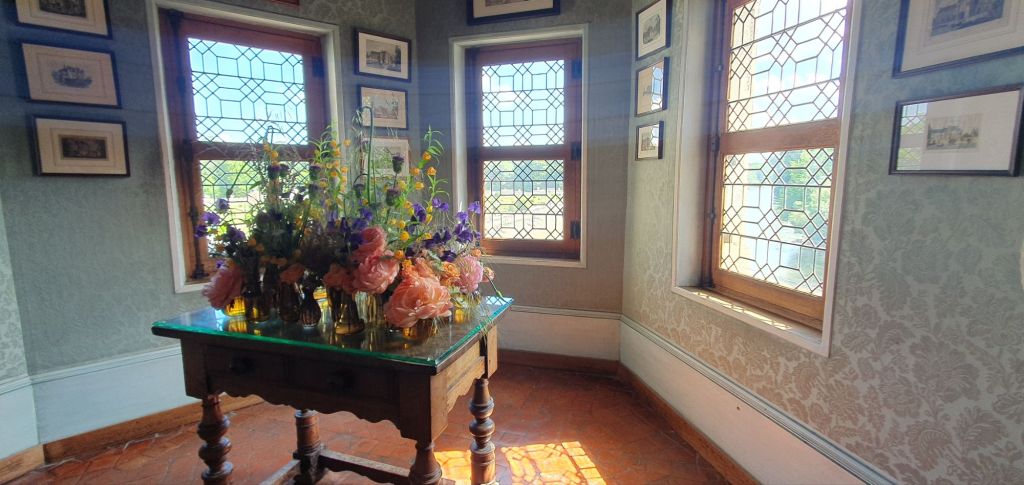
We continued our tour of the many rooms inside, walls elaborately decorated with tapestries, ceilings panelled and intricately painted, and four poster beds far too small for an adult of today’s average height.

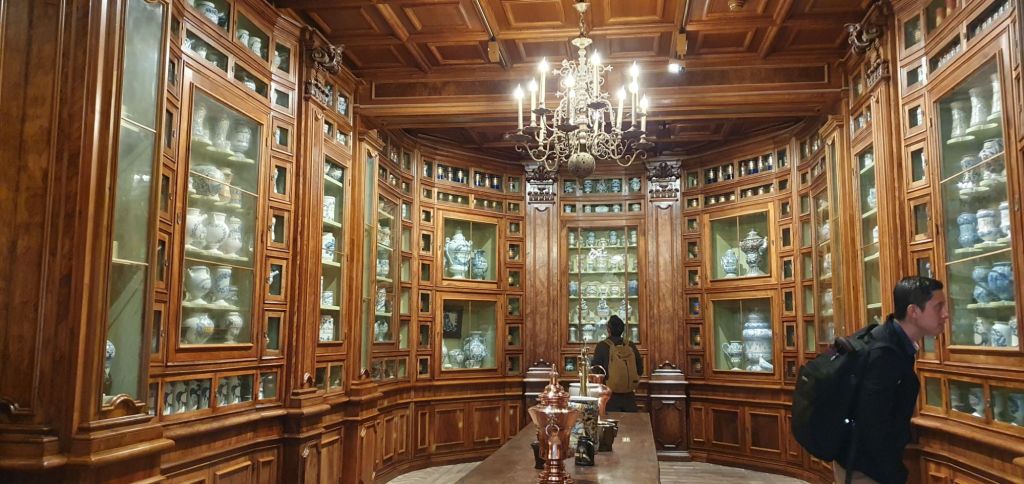
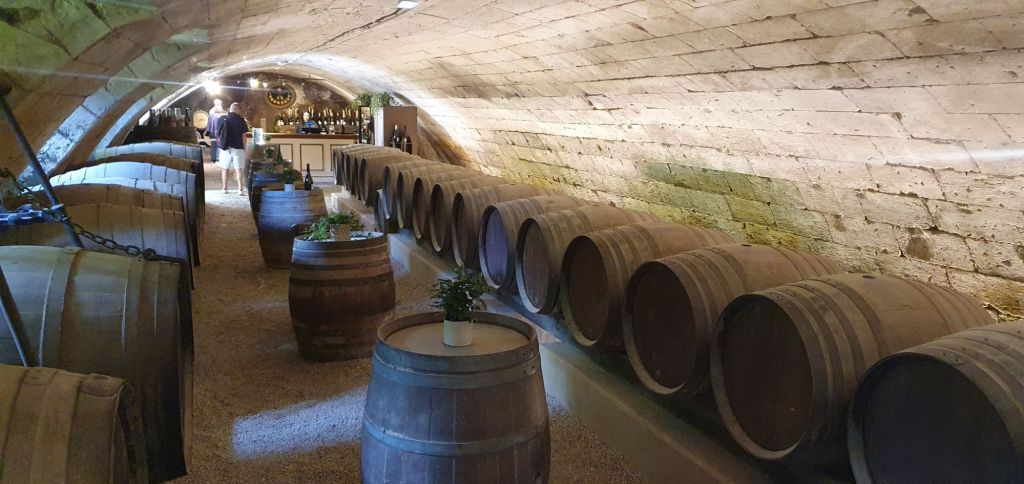
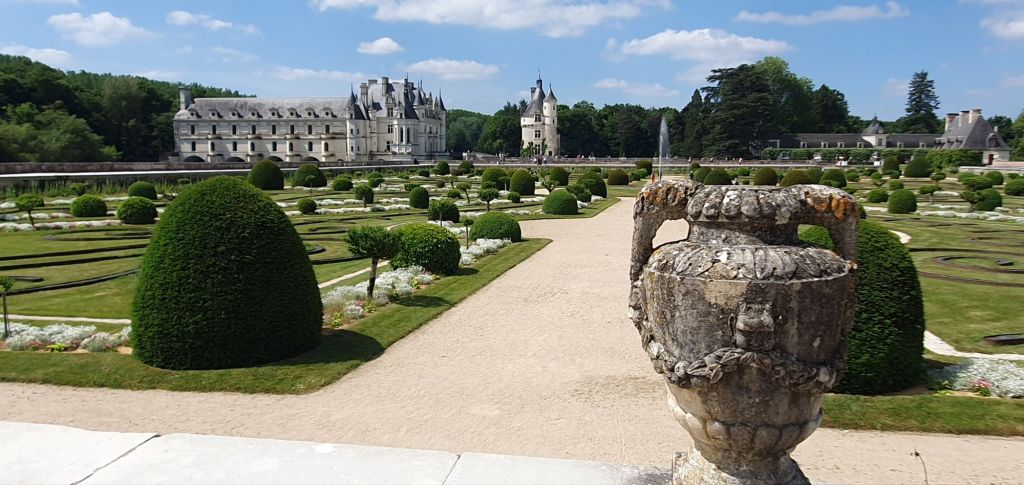
Stepping back out into the dazzling sunshine we toured the immaculate formal gardens, vegetable and flower gardens, the maze, orangery, apothecary, wine cellars and donkeys in a buttercup meadow.
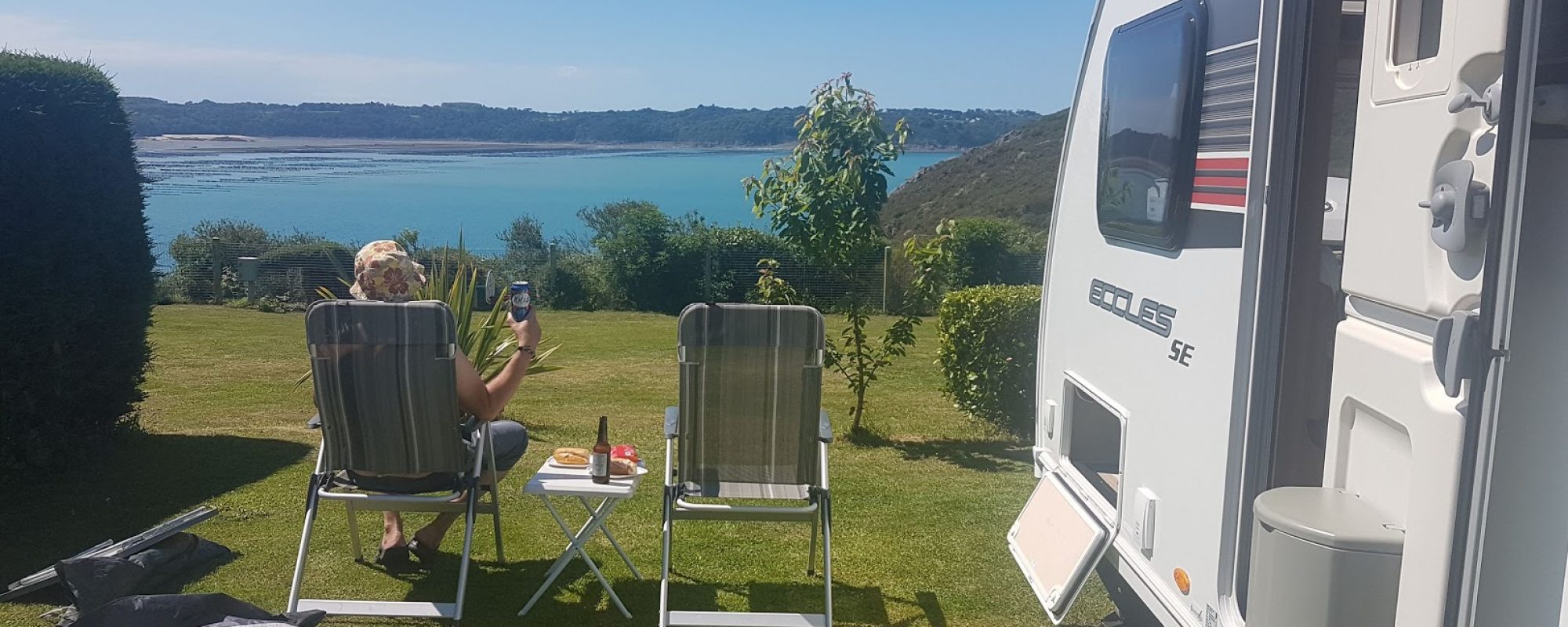
After spending some time with the donkeys we reluctantly wound our way back to the bike park and cycled back to the site, collapsing in our deckchairs with a welcome cool drink and reflecting on an amazing day.

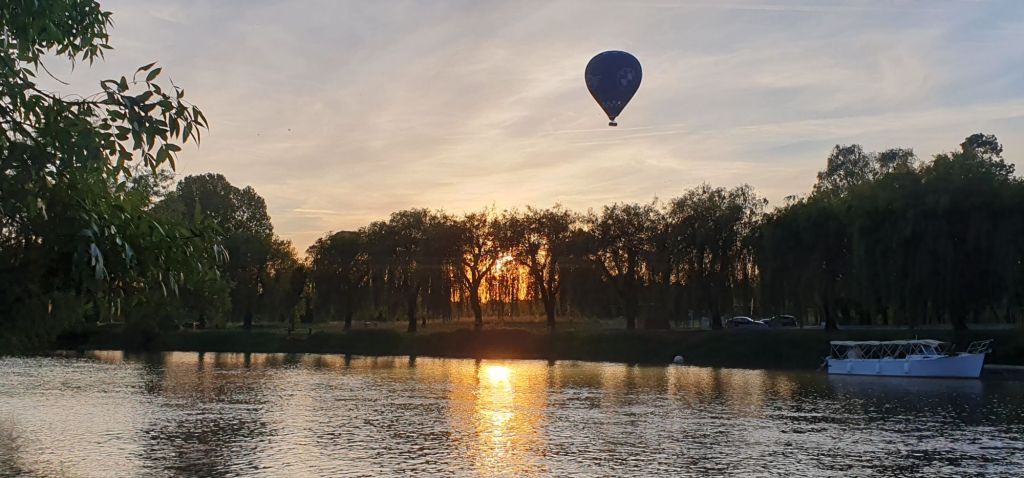
As the sun was setting we were treated to a display of hot air balloons slowly gliding along the course of the river and over the Chateau. Now that’s the photo I wish I’d snapped!
Catch the next and final blog of our French Roadtrip Part 5- More Châteaux and Heading for Home

French Roadtrip Part 2, Le Mans to Ile de Re

According to the satnav it was a 4 hour journey from Le Mans to our next destination Ile de Re. With luck a straightforward run on the toll roads should see us there for late afternoon as we always mentally add an hour on for the ‘unexpected’

The sky had brightened during our time inside the Le Mans 24h Museum and as we headed south the sun began to break through. This was more like the weather we’d hoped for. The trusty satnav successfully skirted us around La Rochelle and the Pont de L’ile de Re soon appeared on the skyline up ahead of us. We paid the €8 toll to cross the bridge and it felt like we were travelling to another country. The sky above us was clear, its deep blue colour reflecting in the sun sparkled waters beneath us. How therapeutic it was to see the sea again.

Pont de L’ile de Re

Ile de Re is 19 miles long and 3 miles across at its widest point. It almost looks like two islands on a map as salt marshes carve into the flat landscape leaving thin strips of land navigable only by bicycle and one road. Cycling is the main mode of transport here, there being hundreds of miles of designated mostly off road cycling paths criss crossing the Island taking you to picturesque villages and out of the way beaches. Our chosen campsite was about half way along the island so a few more miles of navigating through small villages, catching tantalising glimpses of sandy beaches through pine trees and passing through vineyards and poppy fields until we spotted the turning off to the site.

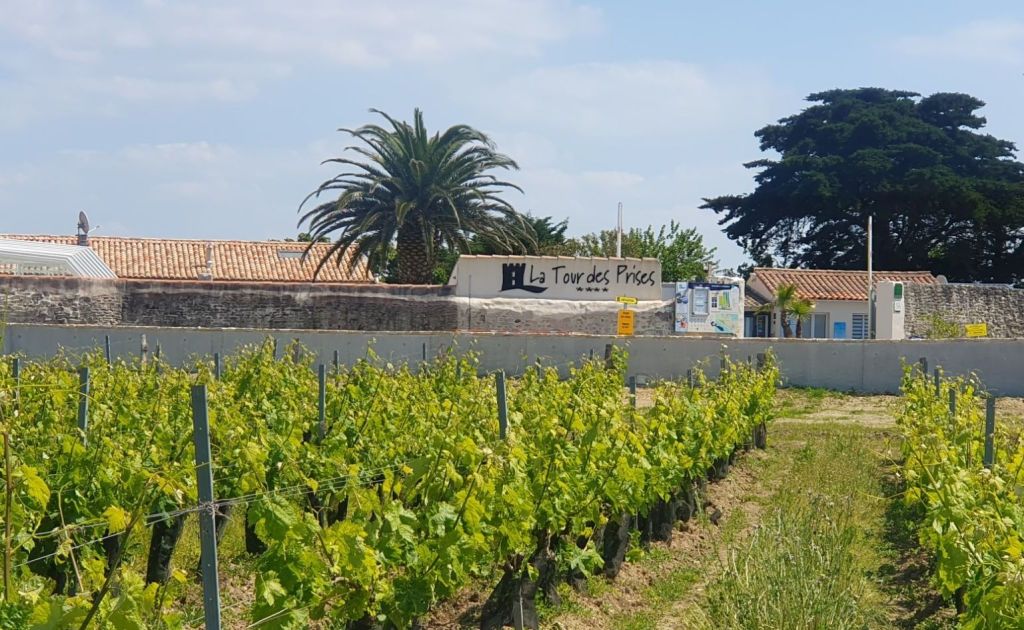
La Tour des Prises Campsite sits surrounded by vines and salt marshes the nearest large village being La Couarde sur Mer. It has a covered swimming pool, games room and bike hire, but no shop or restaurant. The facilities are mixed gents/ladies showers and toilets which are plentiful and clean. The pitches are the usual European standard having bare soil patches on sparse grass with hedging between. Our motorhome is 8m long with the bike rack on the back and didn’t fit on the first pitch they allocated us so we had to revisit the reception to request another.

Our first excursion on the bikes was to St Martin de Re, a main town and marina on the north coast of the Island. Armed with the cycle map we set out from the site directly onto the marked off road route, pedalling through a landscape of vines and poppies we reached the coast in less than 10 minutes. The sea was a long way out and barely visible leaving a vast expanse of wet rippled sand on which oyster farmers could be seen at work. Huts were dotted all along the coast path selling their produce and offering temptingly cool drinks. There are between 6-8000 tonnes of oysters farmed every year on the Island. 

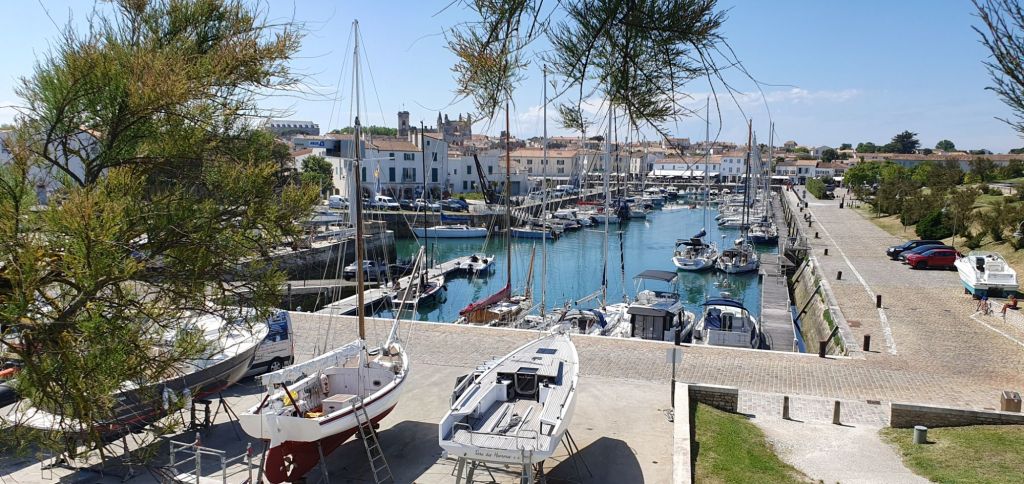
Our approach to St Martin was across a moat bridge and through 17th century ramparts which surround the town. Pretty blue shuttered houses on narrow cobbled streets led us down to the marina, a buzzing area lined with restaurants as far as the eye could see. It was barely midday and each one was doing a roaring trade. We secured the bikes and spent a couple of hours strolling around being tourists, visiting the lighthouse, browsing the shops and having lunch overlooking the marina. There was a TinTin shop which kept Steve occupied for a while whilst I raided the Tourist Information centre for more maps and the bus timetable to La Rochelle. Reluctantly it was all too soon to get back on our bikes and retrace our wheels back to the site. The cycle path was incredibly busy, a constant stream of bikes snaking both ways along it. A stop off halfway back to find some shade under which to enjoy a patisserie we had bought earlier was very welcome.

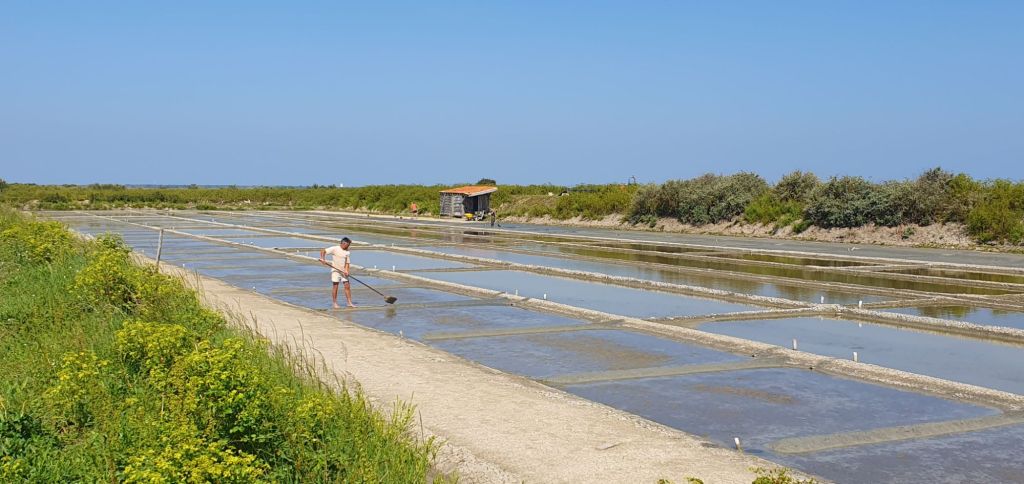
Following another study of the cycle maps we decided our next excursion was going to be through the salt marshes to Ars- en-Re, a small coastal village to the West of us. Again we rode straight out of the site onto the traffic free network of paths that guided us through the flat countryside. We rode along a warren of pathways weaving around the patchwork of salt beds baking in the sun, tended to by their owners patiently waiting for the water to evaporate and leave their bounty behind. Little huts selling their precious produce were dotted along the route.

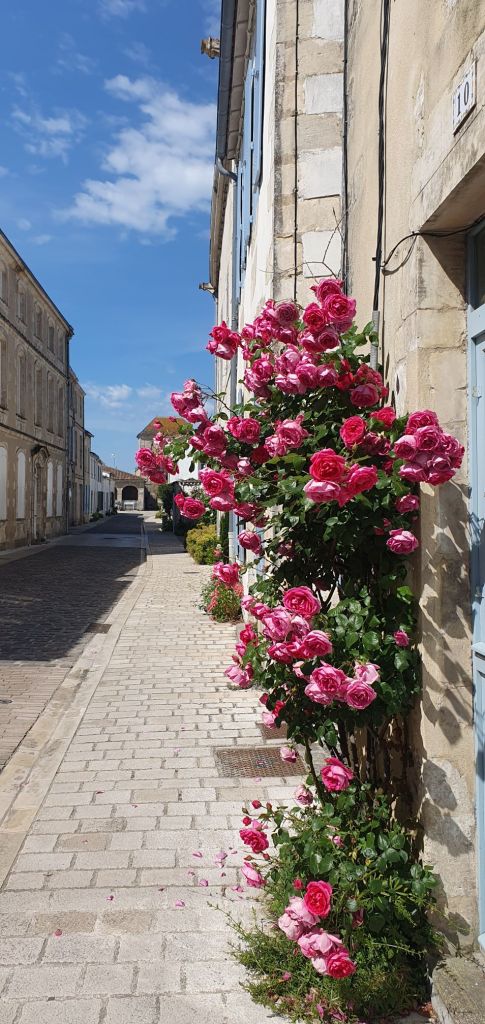
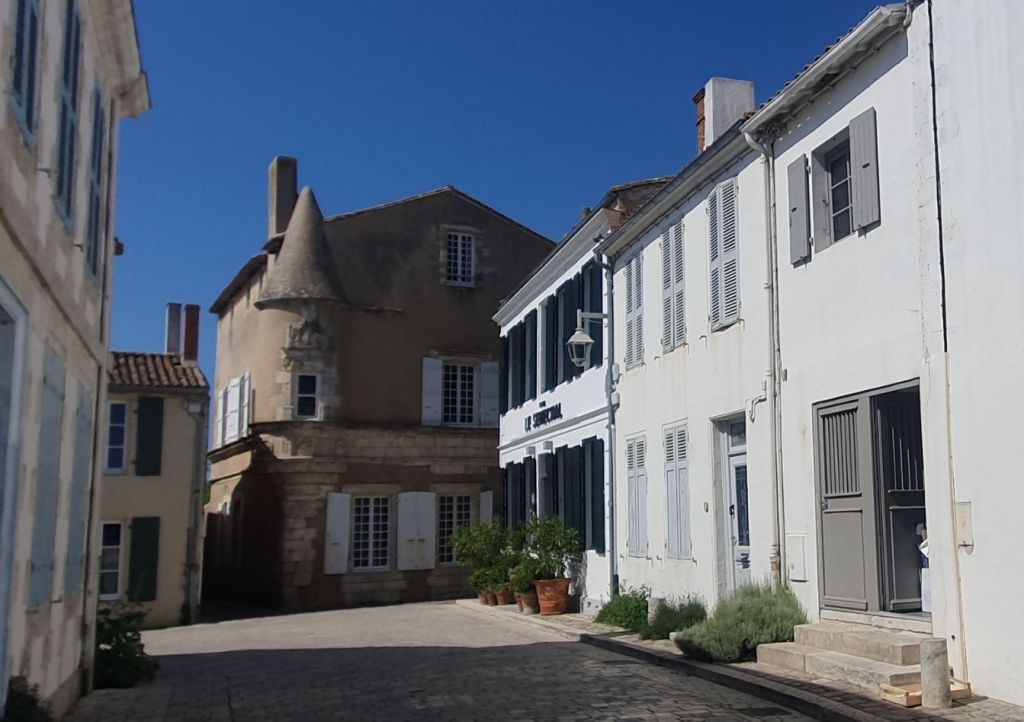
We arrived at Ars-en-Re secured the bikes by the small harbour and strolled into the village centre. It’s central square is dominated by the 12th century church with a distinctive black and white bell tower which serves as a navigational aid for sailors. The cobbled streets are again typical of the Ile de Re villages, pretty shuttered stone houses with flowers tumbling from window boxes and around their doorways. After an hour of losing ourselves amongst the many dead ends and alleyways we found our way back to the harbour and ready for the ride home.

Two days of bike riding had left our ‘behinds’ needing a well earned rest so the following day we let the bus take the strain instead and whisk us off the island to La Rochelle.

Read about our day out in La Rochelle in the next blog: French Roadtrip Part 3